Boundary Fences

Boundary Fencing in NZ: Ownership, Legalities, and Council Rules Explained

05 Nov 2026
Boundary Fencing in NZ: Ownership, Legalities, and Council Rules Explained

Installing a new boundary fence – what you need to know before you start

Installing a new boundary fence should be an exciting property upgrade, but without a clear
understanding of New Zealand fencing laws, it can quickly begin to feel like an episode of
Neighbours at War. Understanding what the Fencing Act 1978 means for your boundary upgrade
is an important first step in your project.

Under the Fencing Act 1978, a boundary fence is generally considered the shared property of both
adjoining landowners. This means both you and your neighbour share legal responsibility for the
cost of erecting, maintaining, or replacing an adequate boundary fence.

What counts as an “adequate” boundary fence?

The law defines it as a fence that is reasonably satisfactory for the purpose it serves—such as
keeping pets inside or providing privacy—while taking into account the nature of the
neighbourhood.

Your neighbour is not obliged to opt for premium products.

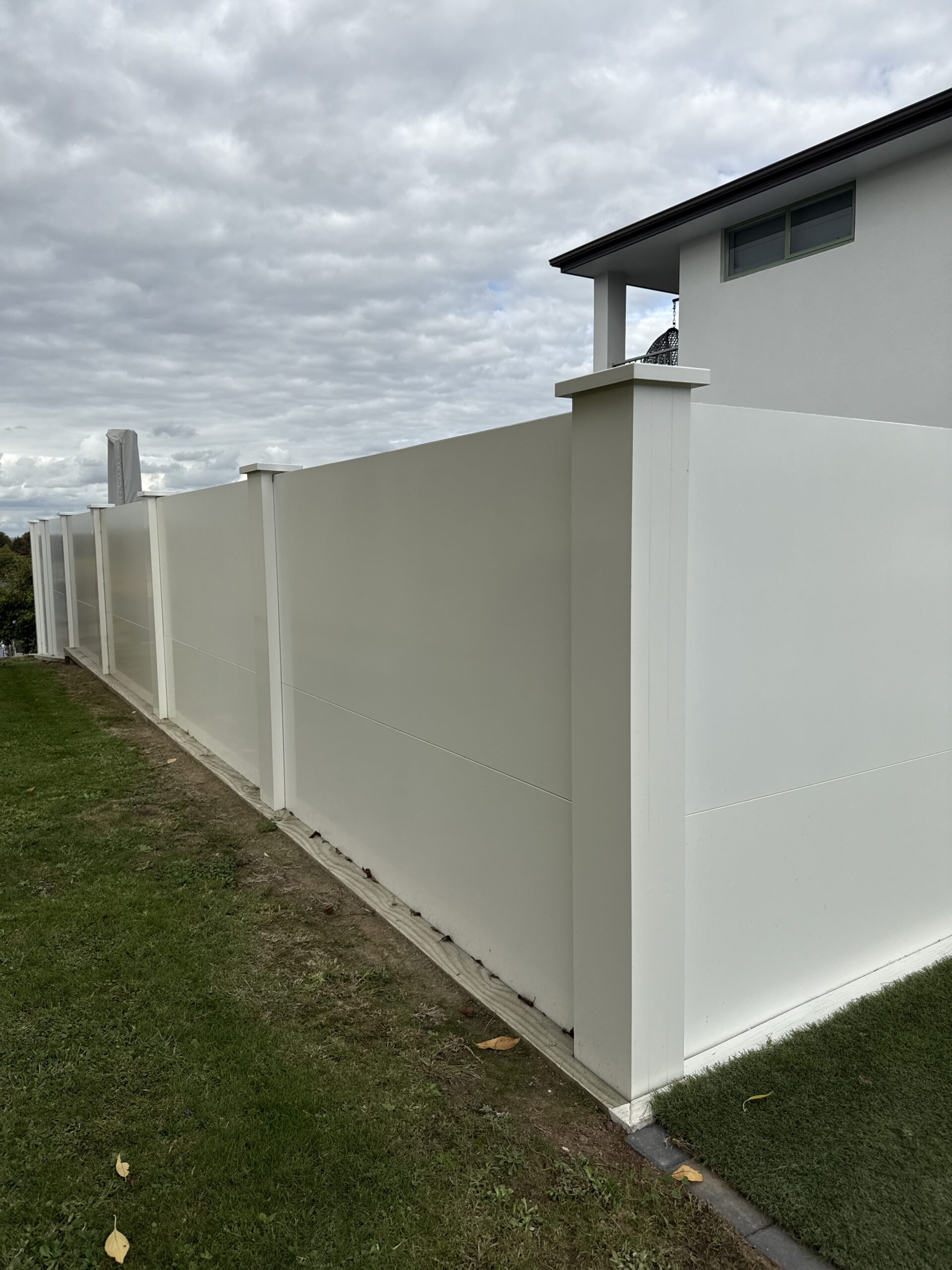
While the appeal of NZ-made fences and gates seems obvious to us—and, in the long run, they can save on maintenance and more frequent replacements—a Warner fence will cost more than a basic timber fence. If your neighbour only wants a basic timber fence, you are unlikely to be able to get them to spend more than what is deemed “adequate”. If you would prefer a premium product, your option is to offer to pay the bulk of the additional cost.

The formal steps: serving a Fencing Notice

A Fencing Notice is a written document given to your neighbour that outlines the proposed fence line, style, materials, estimated cost and proposed start date. Most neighbours will discuss these things casually; however, it is important to have a formal paper trail.

Your neighbour has 21 days from receiving the notice to accept, propose alternative options, or object. If they do not respond within 21 days, they are legally deemed to have agreed to the proposal and the split of costs.

Council rules

While the Fencing Act handles financial and ownership rights between neighbours, your local council regulates physical construction. This means things such as fence heights, transparency, visibility and consents are the responsibility of the council.

Generally speaking, fences under 2.0 metres do not require building consent, but fences higher than that are likely to need one and may also require resource consent.

Your street-facing boundary fence or gate often faces stricter council rules than rear or side boundary fences. Many local councils mandate that front fences over 1.2 metres tall must be partially visually permeable (transparent)—such as slat, louvre or open tubular aluminium styles—to maintain streetscape visibility and neighbourhood aesthetics.

FAQs

What happens if my neighbour refuses to pay for a new fence?
If your neighbour refuses to contribute, you cannot simply build the fence and send
them a bill. You must serve a formal Fencing Notice under the Fencing Act 1978. If
they formally object within 21 days, the dispute can be taken to the Disputes
Tribunal for a legally binding determination based on whether the existing fence is
adequate.

Who owns the boundary pegs, and what if they are missing?
Building a fence even a few centimetres over the true boundary line can lead to
costly legal disputes or forced removal. Always consult a licensed surveyor to locate
or replace boundary pegs before installation.

Can I build a 2.5-metre fence if my neighbour agrees?
Even if your neighbour gives written permission, you must still comply with local
council planning rules.

How do I get an accurate cost breakdown to give to my neighbour?
To keep discussions transparent and hassle-free, contact Warner Fencing & Gates
for a free on-site measure and detailed written quote. We provide itemised quotes
that clearly break down design, materials and expert installation costs, making them
simple to attach to your official Fencing Notice.

If you have questions about boundary fencing, would like to arrange a free measure and quote
before moving forward with your Fencing Notice, or are redoing your front boundary fence or gate,
get in touch with your local Warner team. We are happy to help bring your boundary back to life.

Looking for expert advice?

Our team of skilled experts is here to assist you in purchasing, selling, or managing your fencing and gating needs with complete confidence.

Get in touch